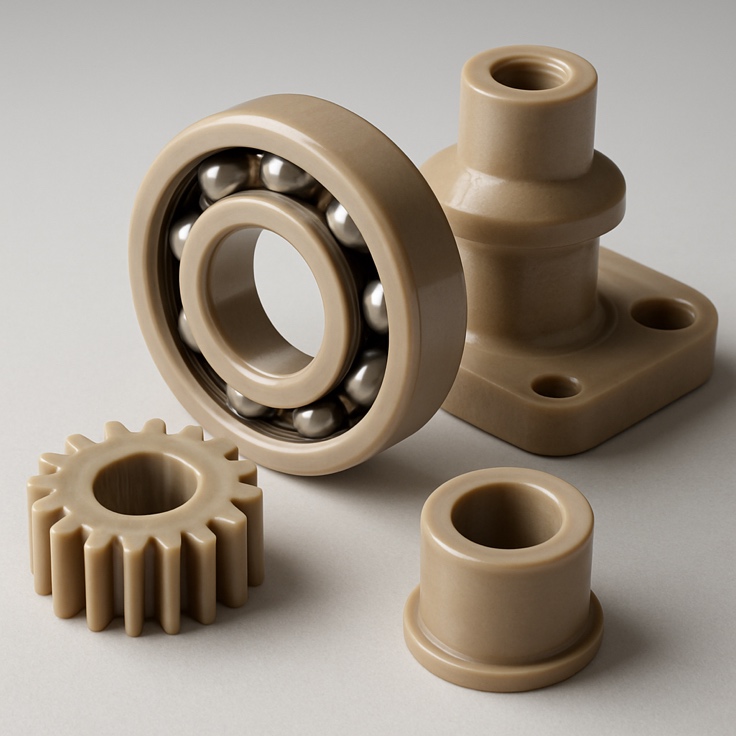
NEW Where to find our products

High Performance Coatings Technology

Advanced industrial coating solutions for maximum protection, durability and performance in critical applications.
Barra decorativa
Barra decorativa

Technology and Innovation

About Us

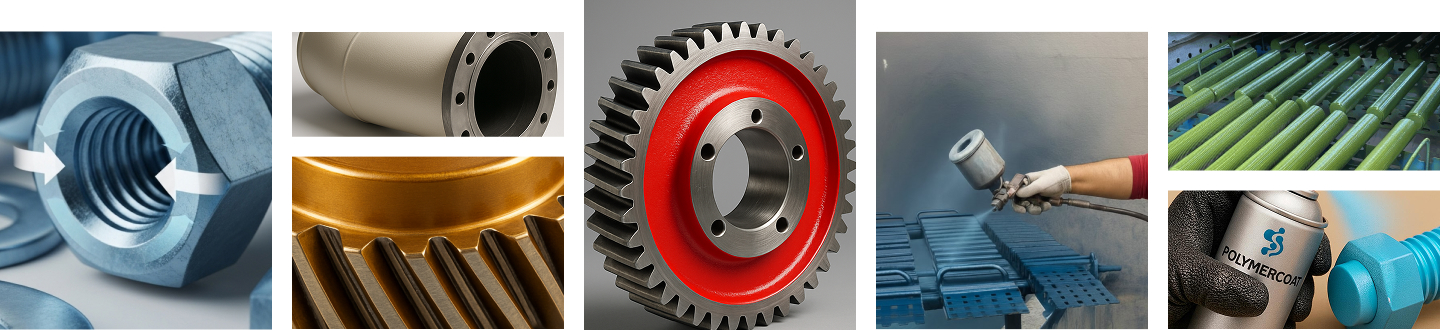
FutureCoat specializes in the development of high-performance coatings and surface engineering solutions, designed to meet applications that require precision, durability, low friction, and resistance to extreme environments. With a focus on innovation, quality, and technical support, we work to enhance the performance of industrial components through advanced technologies that extend service life, increase operational efficiency, and ensure consistent results.
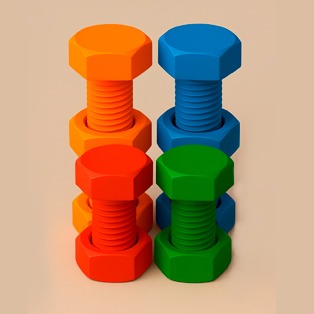
Releases

Product Line

Fluorcoat

Fluorcoat

Chemical resistance
Low friction
Non-stick

Friction-Reducing Fluoropolymer Coatings
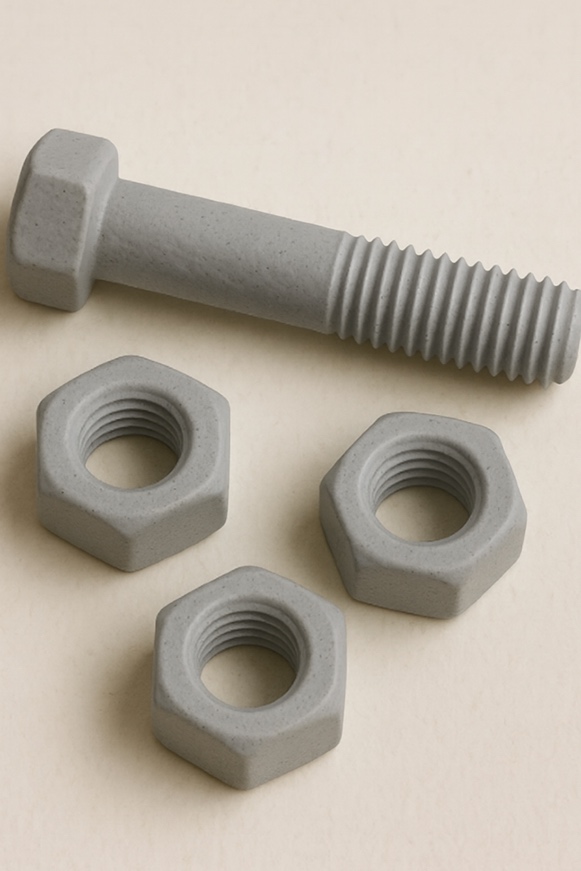
Learn more...
Ceracoat

Ceracoat

High hardness
Thermal resistance
Abrasion resistance

Primers Cerâmicos Metálicos / CERMET

Learn more...
Polymercoat

Polymercoat

Versatility
Superior adhesion
Flexibility

Polymeric and Hybrid Solutions – PFAS-free

Learn more...

INSIGHTS

Blog & Cases

Pull-off Test: The Fire Test for Adhesion in Anti-Corrosion Paints

Corrosion is one of the main causes of degradation of metallic structures, with a direct impact on the safety and…

August 11, 2025

Dry Film Thickness: The Pillar of Anti-Corrosion Protection and a Challenge for Fasteners

Corrosion is a silent and persistent enemy that compromises the durability and integrity of metallic structures. To combat it, anti-corrosion…

August 11, 2025

Why is Viscosity the Heart of Low-Thickness Anti-Corrosion Paints?

When we talk about low-thickness anti-corrosion paints, few factors are as decisive as viscosity. This parameter, which determines the fluidity…

August 11, 2025

Contact Us

Talk to our specialists

Need technical support, detailed information, or want to request a sample? Our team is ready to assist you.

FAQ

Frequently Asked Questions

Other applied coatings are illustrated in the coating selection.

Colors are available. However, it is important to remember that PTFE coatings are functional coatings and are not designed with aesthetic appearance as the primary focus.

PFA is generally the best choice. There are PFA variants with different characteristics for specific applications. Please refer to the PTFE Coating Selection page.

Through abrasive surface preparation using, for example, aluminum oxide, or by applying an adhesion primer.

PTFE is essentially chemically inert. It is only affected by molten alkali metals, fluorine, and chlorine trifluoride at high temperatures and pressures.

PTFE is suitable for continuous use up to 260 °C, withstanding short-term exposure to even higher temperatures.

It is the measure used to calculate the frictional force between two surfaces. The lower the value, the lower the friction.

"Moly" is a common abbreviation for molybdenum disulfide. It is a beneficial additive in some PTFE coatings to enhance lubrication and support high loads.

Documento com informações detalhadas voltadas a usuários industriais e comerciais. Inclui descrições do produto, benefícios, métodos de aplicação e propriedades dos revestimentos.

PTFE has one of the lowest coefficients of friction among solids. Its abrasion resistance can be adjusted with inorganic fillers (glass fiber, carbon, graphite). It is chemically pure and inert, providing an excellent non-stick surface, even at cryogenic temperatures.

They are applied by spraying. PFA, on the other hand, can be applied using an electrostatic method.

It depends on the number of coats. A single-coat system typically has a thickness of 20 to 25 microns.

Stainless steel, carbon steel, and aluminum are the most suitable. Other metals such as copper, brass, and zinc require additional preparation. Glass, plastics, and elastomers can also be coated, but some elastomers have thermal limitations.

No. The coating follows the contour of the substrate surface.

This error is not exclusive to coating solutions. In many everyday situations—such as inflating tires or painting a wall—the common tendency is to use more than necessary. With tires, for example, overinflation is more frequent than underinflation. The same applies to painting and, in our case, coatings. Applying an excessive amount of FluorCoat to the surface can impair the coating’s performance—especially since FluorCoat is formulated to form a very thin film. Exceeding this thickness compromises the very properties that make FluorCoat effective.

Cracking is a recurring issue in any coating system—whether industrial, commercial, or domestic. It can have several causes, including the over- application mentioned earlier. However, the main cause of cracking is mechanical stress. Industrial equipment is constantly subjected to mechanical stresses and demanding operating environments. The thicker the coating, the higher the likelihood of cracking under such conditions. Therefore, it is essential to adhere to the recommended thicknesses to ensure performance and durability.

Perhaps the most common error related to the use of FluorCoat is incorrect application, that is, applying the wrong type of coating for the substrate in question. FluorCoat is an ultra-thin film coating, ideal for surfaces with tight tolerances or in rotating systems where friction must be minimized without adding significant thickness. However, it is not the right solution for all surfaces or contexts. Correct selection depends on the type of equipment, mechanical function, and operating conditions.